


[iconic_ww_add_to_wishlist]
$44.00
+ GST ($48.40 AUD)
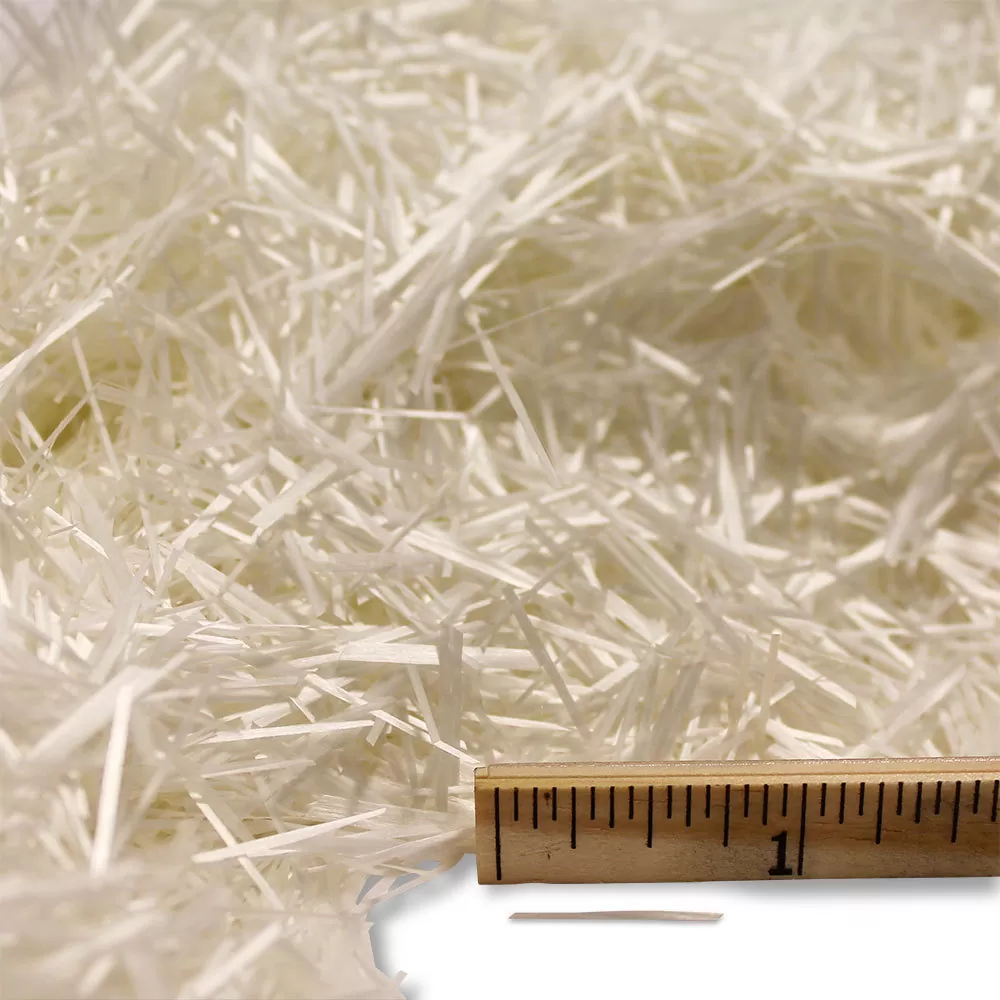
Alpha Acrylic Fibre AC50, 1/4″ 6mm, 1kg
Alpha,Glass Fibres and Reinforcement


Price range: $62.00 through $170.00
+ GST ($68.20 - $187.00 AUD)

Price range: $29.50 through $622.00
+ GST ($32.45 - $684.20 AUD)

Price range: $29.50 through $622.00
+ GST ($32.45 - $684.20 AUD)

Price range: $68.00 through $256.50
+ GST ($74.80 - $282.15 AUD)

Price range: $29.00 through $285.00
+ GST ($31.90 - $313.50 AUD)

$265.00
+ GST ($291.50 - $291.50 AUD)
Price range: $62.00 through $120.00
+ GST ($68.20 - $132.00 AUD)
$44.00
+ GST ($48.40 AUD)
Price range: $62.00 through $120.00
+ GST ($68.20 - $132.00 AUD)

Price range: $29.00 through $285.00
+ GST ($31.90 - $313.50 AUD)
Price range: $62.00 through $170.00
+ GST ($68.20 - $187.00 AUD)


Price range: $29.50 through $622.00
+ GST ($32.45 - $684.20 AUD)
$24.00
+ GST ($26.40 AUD)

Price range: $68.00 through $256.50
+ GST ($74.80 - $282.15 AUD)

Price range: $29.50 through $622.00
+ GST ($32.45 - $684.20 AUD)
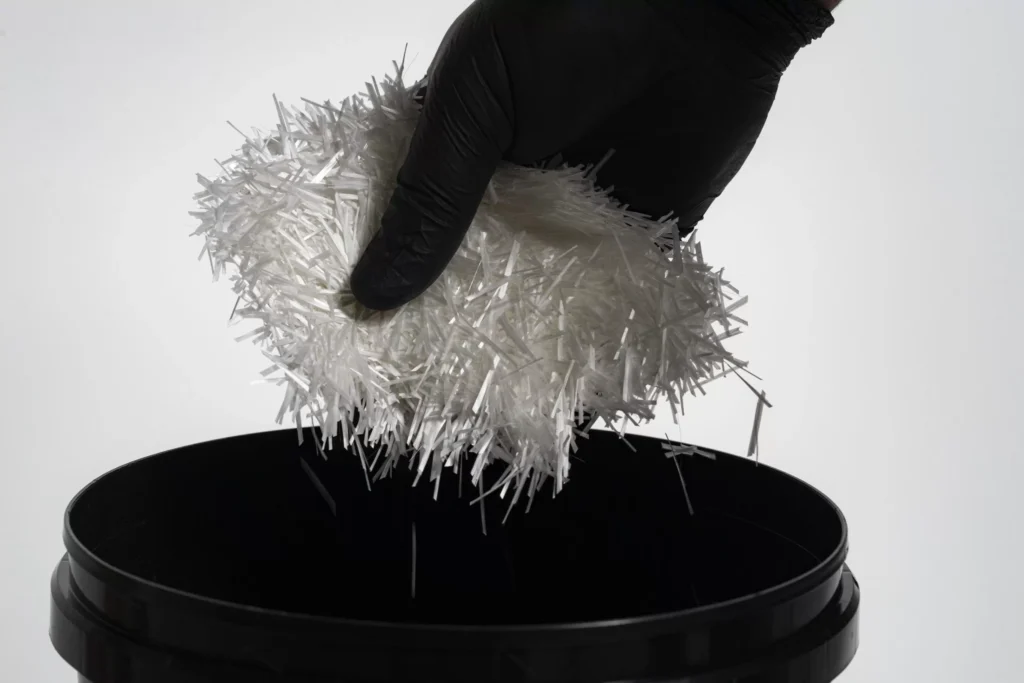
Glass fibre reinforced concrete derives its strength, impact resistance, and toughness from one critical ingredient: the right reinforcement. Domcrete stocks a professional range of AR (alkali-resistant) glass fibres, PVA fibres, acrylic fibres, composite rebar, and AR glass net scrim — everything needed to reinforce a GFRC, ECC, or architectural concrete mix to professional standard.
Not all glass fibres perform the same in a cementitious environment. The highly alkaline nature of cement rapidly degrades standard fibreglass, which is why every glass fibre product in this range is either alkali-resistant by formulation (AR glass) or designed specifically for use in concrete mixes (PVA and acrylic fibres). Available in chop strand lengths from 3mm through to 18mm, these reinforcements are compatible with Domcrete’s GFRC premix range and admixtures, and are trusted by fabricators across Australia and New Zealand for spray-up, hand-pack, and direct cast applications.
Standard fibreglass (E-glass) is designed for polyester and epoxy resin matrices. When placed in a cementitious environment, the highly alkaline conditions attack and degrade the glass over time, causing a significant loss of tensile strength.
Alkali-resistant (AR) glass fibre is manufactured with a higher zirconia (ZrO₂) content (typically 16% or above), which provides long-term durability in cement-based mixes. All AR glass fibres stocked by Domcrete are formulated for use in glass fibre-reinforced cements and maintain their mechanical properties throughout the life of the structure. Using standard fibreglass in a GFRC mix is a common and costly mistake; AR glass is non-negotiable for professional results.
Fibre length selection depends on your application method and the role the fibre plays in the mix:
For guidance on which fibre length suits your specific mix design, visit the Knowledge Hub or get in touch with the Domcrete team.
Yes — however, this depends on the mix design, fibre dosage, and the project’s requirements.
AR glass fibres provide the primary structural strength in a standard GFRC mix, while PVA and acrylic fibres are typically used to reduce shrinkage cracking and improve flexibility. Depending on your mix design and application, PVA or acrylic fibres can be used alongside or in some cases in place of AR glass fibres, but the right approach will vary project to project.
PVA fibres are commonly used in Engineered Cementitious Composite (ECC) mixes, whereas AR glass fibres remain the primary reinforcement in traditional GFRC. Fibre dosage and mix design should always be assessed against the specific structural and performance requirements of your project.
Contact the team to find out more.