Price range: $58.00 through $472.00
+ GST ($63.80 - $519.20 AUD)

Price range: $58.00 through $472.00
+ GST ($63.80 - $519.20 AUD)

$75.00
+ GST ($82.50 AUD)

Price range: $62.00 through $245.00
+ GST ($68.20 - $269.50 AUD)


Price range: $81.00 through $362.00
+ GST ($89.10 - $398.20 AUD)

$105.00
+ GST ($115.50 - $115.50 AUD)


Building a GFRC mix from scratch gives you full control over your formula, but it also requires selecting the right concrete additives, pozzolans, polymers, and aggregates to achieve it. This range is for fabricators who want to go beyond a standard premix and dial in a custom mix design tailored to their application, casting method, or performance requirements.
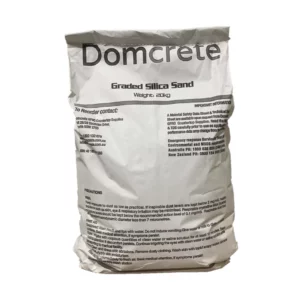
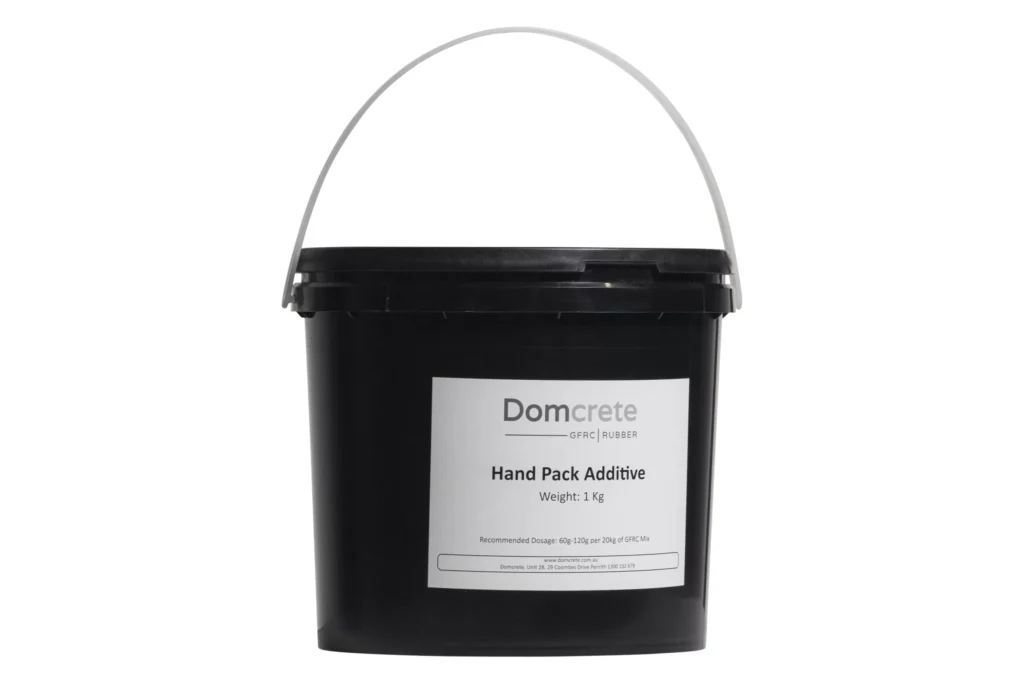
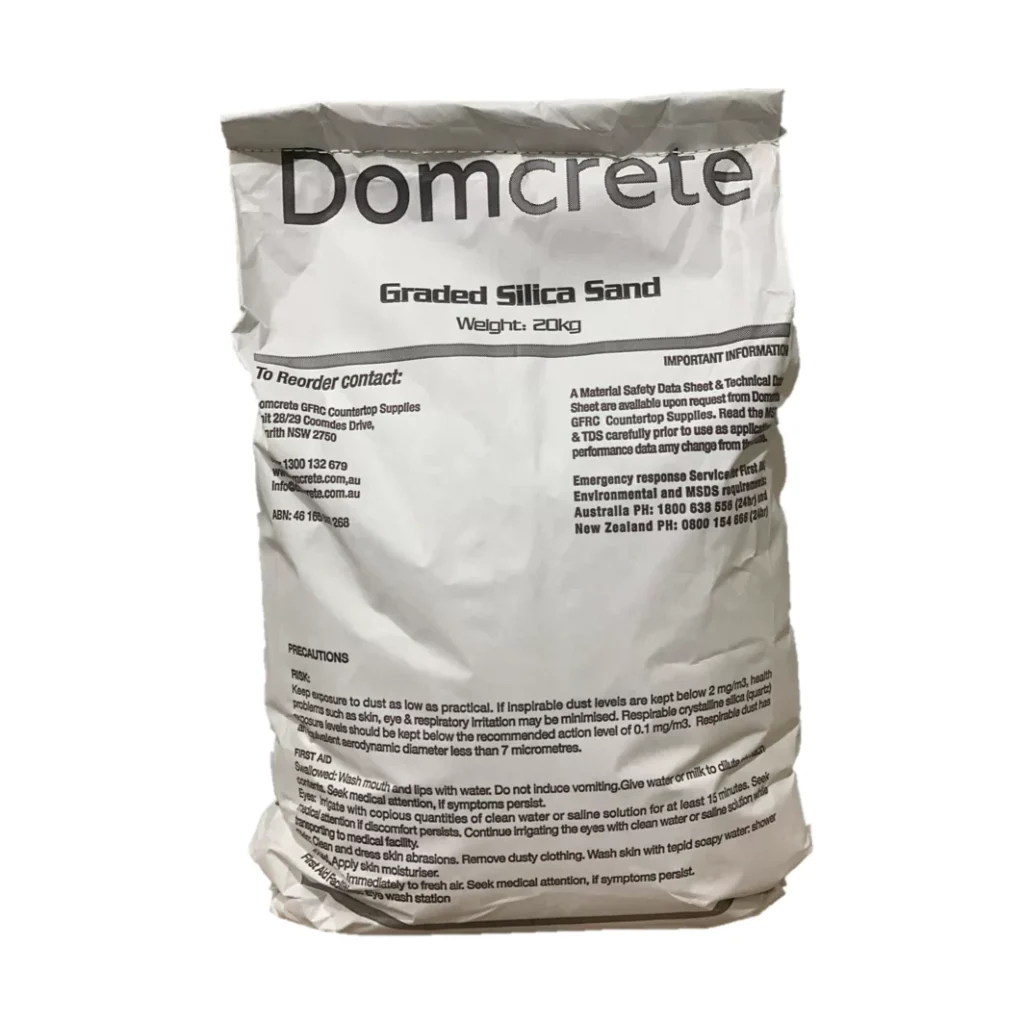
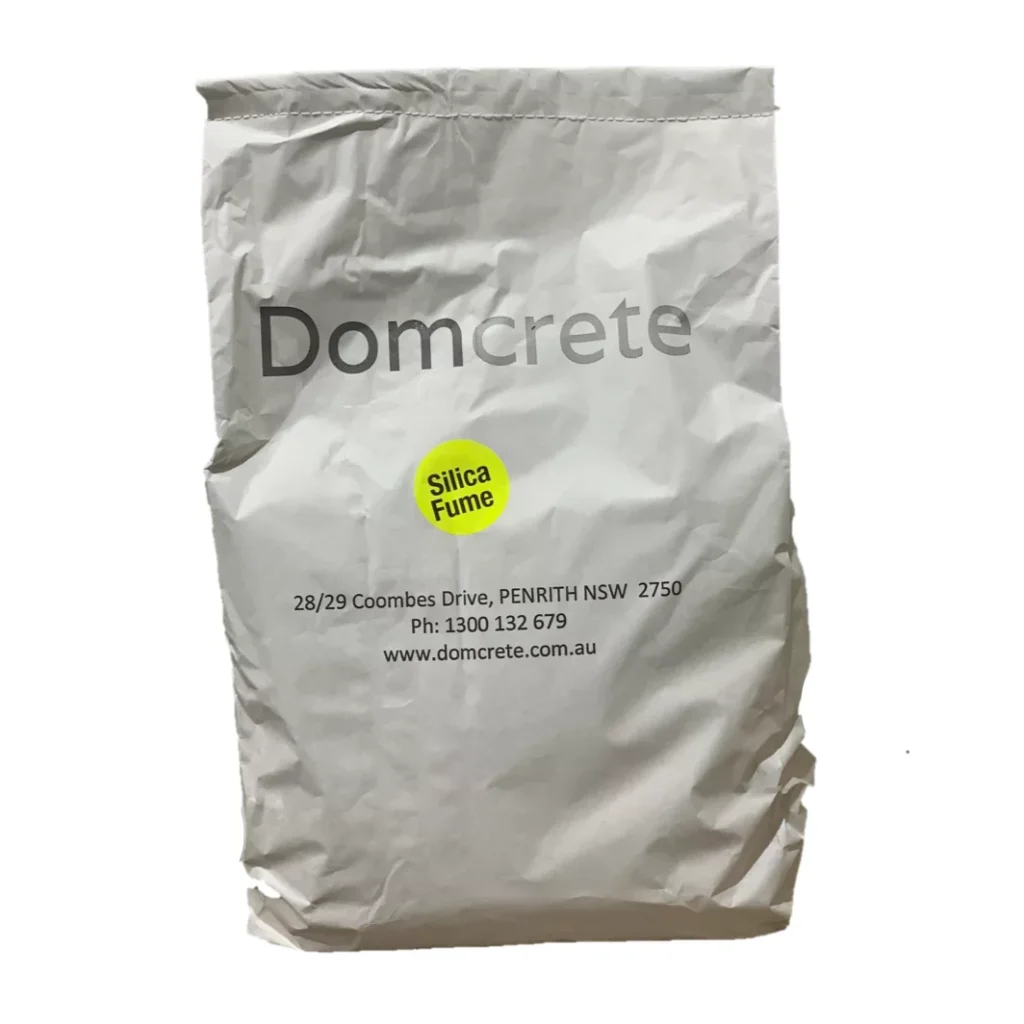
Domcrete stocks the raw materials used by professional fabricators across Australia and New Zealand, including water reducers, liquid acrylic polymers, silica fume, pozzolans, shrink reducers, and graded aggregates. Every product in the range is compatible with the Alpha premix range and with fully custom scratch mix designs alike. If you are new to scratch mix formulation, the Knowledge Hub is a good starting point, or you can contact us for product advice.
Concrete additives or admixtures are materials introduced into a mix beyond the core ingredients of cement, aggregate, and water to modify specific properties. Depending on the additive, they can improve workability, reduce water demand, increase strength, control shrinkage, or improve long-term durability.
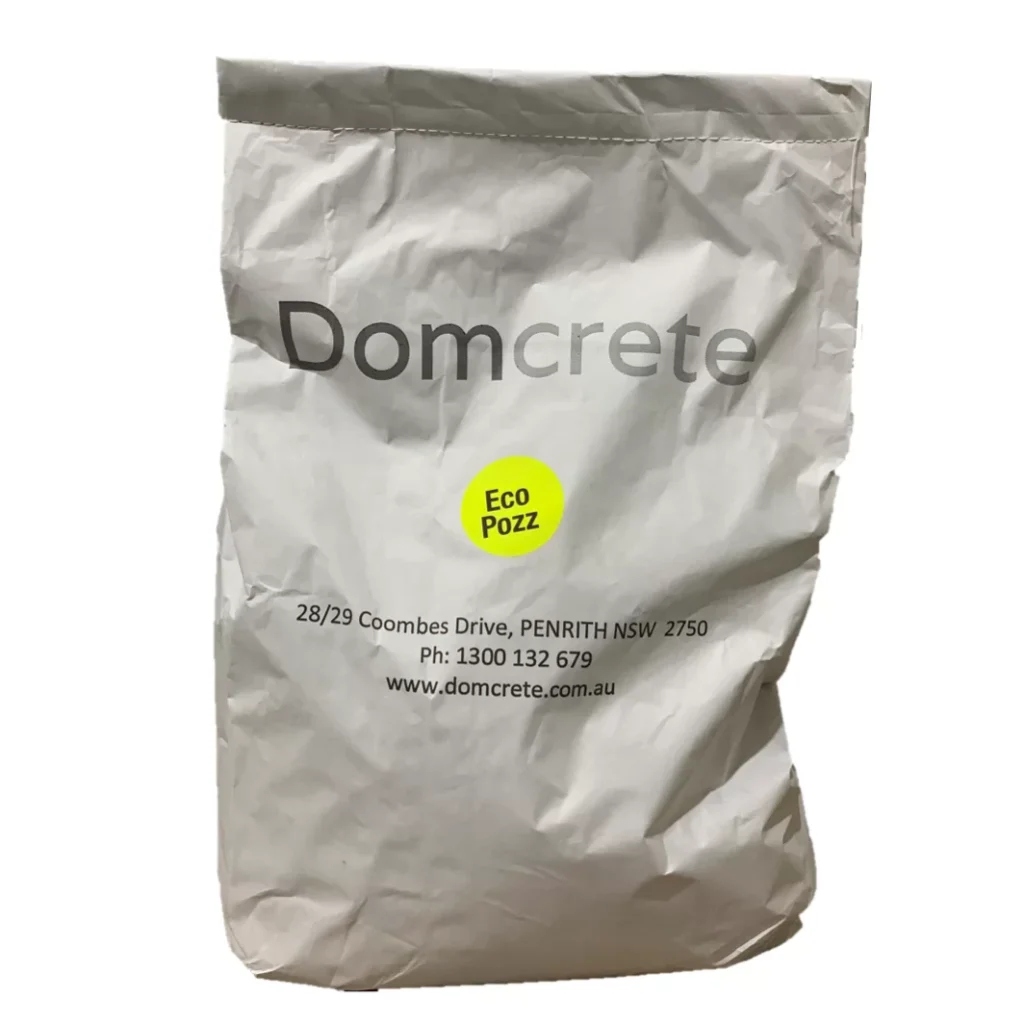
In GFRC and ECC applications, each additive plays a defined role. Common examples include water reducers to lower the water-to-cement ratio, pozzolans and silica fume to increase density and strength, polymers to improve flexibility and cure quality, and shrink reducers to control cracking and shrinkage rates. Browse the full range of chemical admixtures if you are looking for ready-to-use modifier products rather than raw materials.
Several concrete additives for strength are available in this range, each working through a different mechanism:
For guidance on combining these products into a scratch mix design, visit the Knowledge Hub or join one of Domcrete’s GFRC training courses.
These are two different types of additive in a concrete mixture that serve distinct purposes, though both are commonly used together in GFRC scratch mix designs:
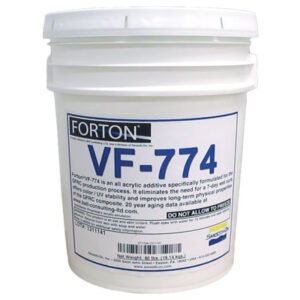
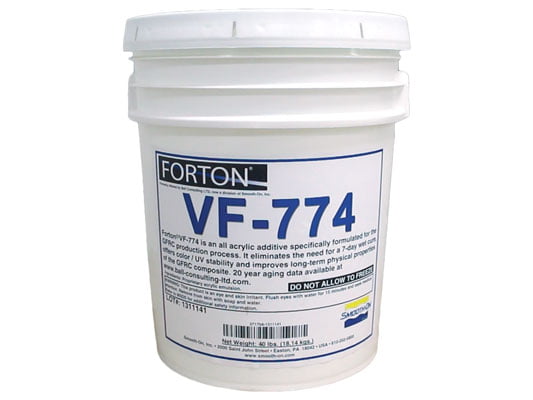
A liquid polymer (such as the Buddy Rhodes Liquid Polymer or Forton VF-774) is an acrylic emulsion that partially replaces mix water. It acts as a concrete curing additive by coating cement particles and fibres during curing, improving flexibility, tensile strength, and moisture resistance in the hardened piece.
A water reducer or plasticiser (such as the Alpha WR135 or Alpha Water Reducer Powder) reduces the amount of water needed to achieve your target workability. This lowers the water-to-cement ratio, which directly increases strength and reduces shrinkage without making the mix stiff or difficult to work with.
In short, the polymer improves the quality of the cure, while the water reducer improves workability and strength. Most scratch mix fabricators use both. If you are using the Alpha premix range rather than a scratch mix, a water reducer is still recommended, but a polymer is generally not required.

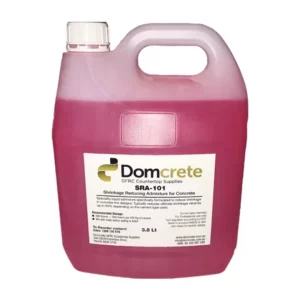
Shrinkage cracking is one of the most common issues in GFRC and ECC production, particularly in thinner sections and flat panel applications. The SRA-101 Shrink Reducing Admixture reduces the surface tension of pore water within the mix, which directly reduces the capillary forces that cause cracking as the concrete dries.
Whether you need it depends on your mix design, curing environment, and panel geometry. Fabricators working with larger flat panels or casting in hot, low-humidity conditions will see the most benefit. If cracking has been a recurring problem in your work, get in touch, and the team can advise whether SRA-101 suits your specific setup. Compatible glass fibres and reinforcement products also play an important role in crack resistance alongside chemical additives.