[iconic_ww_add_to_wishlist]
[iconic_ww_add_to_wishlist]
[iconic_ww_add_to_wishlist]$40.00
+ GST ($44.00 AUD)Smooth On Sonite Wax
Materials and Supplies,Mould & Forms,Mould Materials,Release Agents,Smooth-On,Tooling & Mould Making Supplies
Concrete Release Agents
A concrete release agent is one of the simplest products in the workshop, but skipping it or choosing the wrong one is one of the most common causes of damaged panels, torn surfaces, and ruined moulds. Applied correctly before casting, a release agent for concrete creates a barrier between the mix and the mould surface, allowing a clean separation at demould without pulling, sticking, or leaving surface residue on the finished piece.
Domcrete stocks a focused range of concrete release agents from Smooth-On, covering solvent-free aerosol options, water-based liquid release agents, and paste wax for surface conditioning. These products are suited to silicone moulds, urethane moulds, fibreglass forms, and flexible tooling used in GFRC, ECC, and decorative concrete applications. If you are casting into rigid melamine, foam, or timber forms and need a dedicated chemical release agent, Crete-Lease 880 is available in the mould forms and prep products category.
Frequently Asked Questions
What does a concrete release agent do?
A concrete release agent is applied to the interior surface of a mould or form before casting to prevent the concrete from bonding to the mould material. Without a releasing agent, the concrete will adhere to the mould surface during the curing process, making demoulding difficult or impossible without damaging the piece or the mould.
Release agents for concrete work by creating a thin, non-stick film between the mould surface and the mix. Depending on the product, this film may be chemical, wax-based, or water-based. Beyond enabling a clean release, a good concrete release agent also protects the mould surface from abrasion and chemical attack over multiple uses, extending the life of the tooling.
What is the difference between Ease Release 200, AquaCon, and Sonite Wax?
Each of the three products in this range serves a distinct purpose in the mould release process:
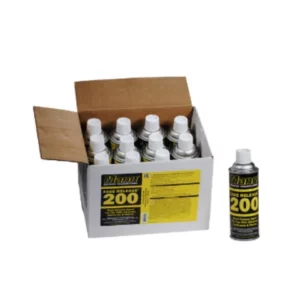
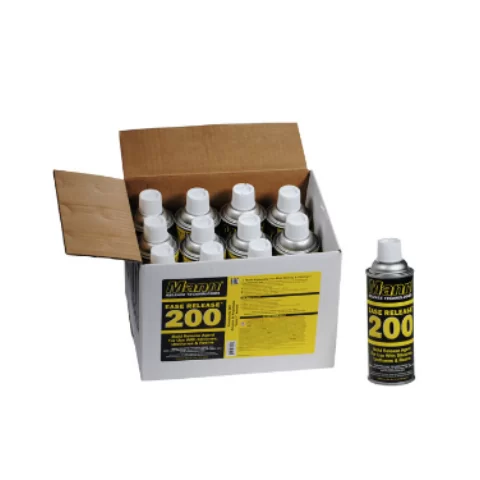
- Smooth-On Ease Release 200 is an aerosol release agent used to help liquid urethane rubber such as Vytaflex demould from your master. It gives a quick, even coat and is well suited to complex shapes and intricate detail, where applying a liquid or paste by hand would be difficult. Use it when you’re making the mould, not when casting concrete.
- Smooth-On AquaCon is a water-based release agent in liquid format, and a lower-VOC alternative to solvent-based products. It’s the release agent that lets concrete demould from a Vytaflex urethane mould, so it goes into your finished mould just before you cast. It also suits workspaces with limited ventilation.
- Smooth-On Sonite Wax is a paste wax used to condition and seal non-porous mould surfaces before applying a chemical or water-based release agent. It is not a standalone release agent but rather a preparatory step that improves release performance and protects the mould surface over repeated casting cycles.
How do I apply a release agent correctly when making a mould?
The right release agent depends on which stage you’re at. The general sequence for making a urethane mould for concrete casting is:
- Step 1: Seal the master if porous. If your master is made from foam, timber, plaster or MDF, apply Super Seal first and let it dry fully before moving on.
- Step 2: Apply Sonite Wax. On non-porous or sealed masters, apply a thin, even coat of Sonite Wax and buff off the excess. This conditions the surface and improves the release agent on top.
- Step 3: Apply Ease Release 200. Spray a light, even coat over the master so your liquid urethane rubber (such as Vytaflex) demoulds cleanly. Avoid pooling.
- Step 4: Pour and cure your mould. Pour the urethane or silicone, let it cure fully, then demould the master.
- Step 5: Prepare the finished mould for concrete. Before your first cast, apply AquaCon with a brush or cloth and let it flash off. This is what allows the concrete to release from a Vytaflex mould.
Once your mould is ready, you can cast your GFRC premix or concrete as normal.
For further guidance on mould preparation and release agent selection, visit the Knowledge Hub or contact the team.


